
Caesarstone Benchtops in Sydney: The Perfect Blend of Style and Durability
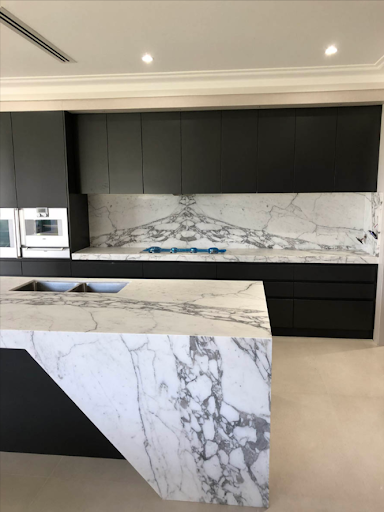
When designing a modern kitchen or bathroom, choosing the right benchtop material is one of the most important decisions homeowners make. In Sydney, Caesarstone benchtops have become a highly popular option due to their durability, consistent appearance, and wide range of colours and finishes. Known for combining natural quartz with advanced manufacturing technology, Caesarstone offers a practical and stylish solution for contemporary homes.
Caesarstone is a type of engineered stone primarily made from natural quartz, one of the hardest minerals found in nature. The quartz is combined with resins and pigments to create a strong, non-porous surface that is both durable and visually appealing. Because it is engineered, Caesarstone provides a consistent pattern and colour throughout the slab, making it easier for homeowners and designers to achieve a clean and coordinated look in kitchens and other living spaces.
One of the biggest advantages of Caesarstone benchtops is their durability. Sydney kitchens often serve as the central gathering place of the home, where cooking, entertaining, and family activities take place daily. Caesarstone is highly resistant to scratches, stains, and cracks, which makes it ideal for busy households. Unlike some natural stones, it does not require frequent sealing, and its non-porous surface helps prevent the absorption of liquids such as wine, coffee, or oil.
Another reason Caesarstone benchtops are popular in Sydney homes is the wide variety of design options available. Caesarstone offers an extensive range of colours, textures, and finishes that can complement almost any interior style. From classic white surfaces with subtle veining to bold dark tones that create a dramatic statement, homeowners can easily find a design that suits their kitchen or bathroom. Some Caesarstone designs even replicate the look of natural marble or concrete, giving homeowners the aesthetic of natural materials with the added benefits of engineered stone.
In modern Sydney kitchens, Caesarstone is often used for large island benchtops, waterfall edges, and full-height splashbacks. These design features create a seamless and sophisticated look that enhances the overall feel of the space. Because Caesarstone slabs are manufactured with consistent patterns, designers can plan layouts more easily and ensure a polished final result.
Maintenance is another key benefit of Caesarstone benchtops. Since the surface is non-porous, it is very easy to clean and maintain. Most everyday spills can be wiped away with a soft cloth and mild household cleaner. Unlike marble or granite, Caesarstone does not require regular sealing, which makes it a convenient choice for homeowners who want a low-maintenance kitchen surface.
In Sydney’s competitive property market, high-quality kitchen finishes can significantly impact the appeal and value of a home. Caesarstone benchtops are widely recognised as a premium surface material and are often seen in newly built homes and renovations. Their modern appearance and durability make them attractive to both homeowners and potential buyers looking for stylish yet practical design features.
When choosing Caesarstone benchtops in Sydney, it is important to work with experienced fabricators and installers. Professional installation ensures the stone is cut accurately, joined seamlessly, and fitted correctly within the kitchen or bathroom space. Visiting a showroom or stone supplier can also help homeowners view full slabs and explore different colours and finishes before making a final decision.
In conclusion, Caesarstone benchtops offer a perfect combination of beauty, strength, and convenience for Sydney homes. Their durable, non-porous surface, wide range of design options, and low maintenance requirements make them an excellent choice for modern kitchens and bathrooms. With professional installation and thoughtful design, Caesarstone benchtops can create a stylish and functional space that will last for many years to come.